


India: Tata Motors launches Sierra.ev as its seventh passenger EV
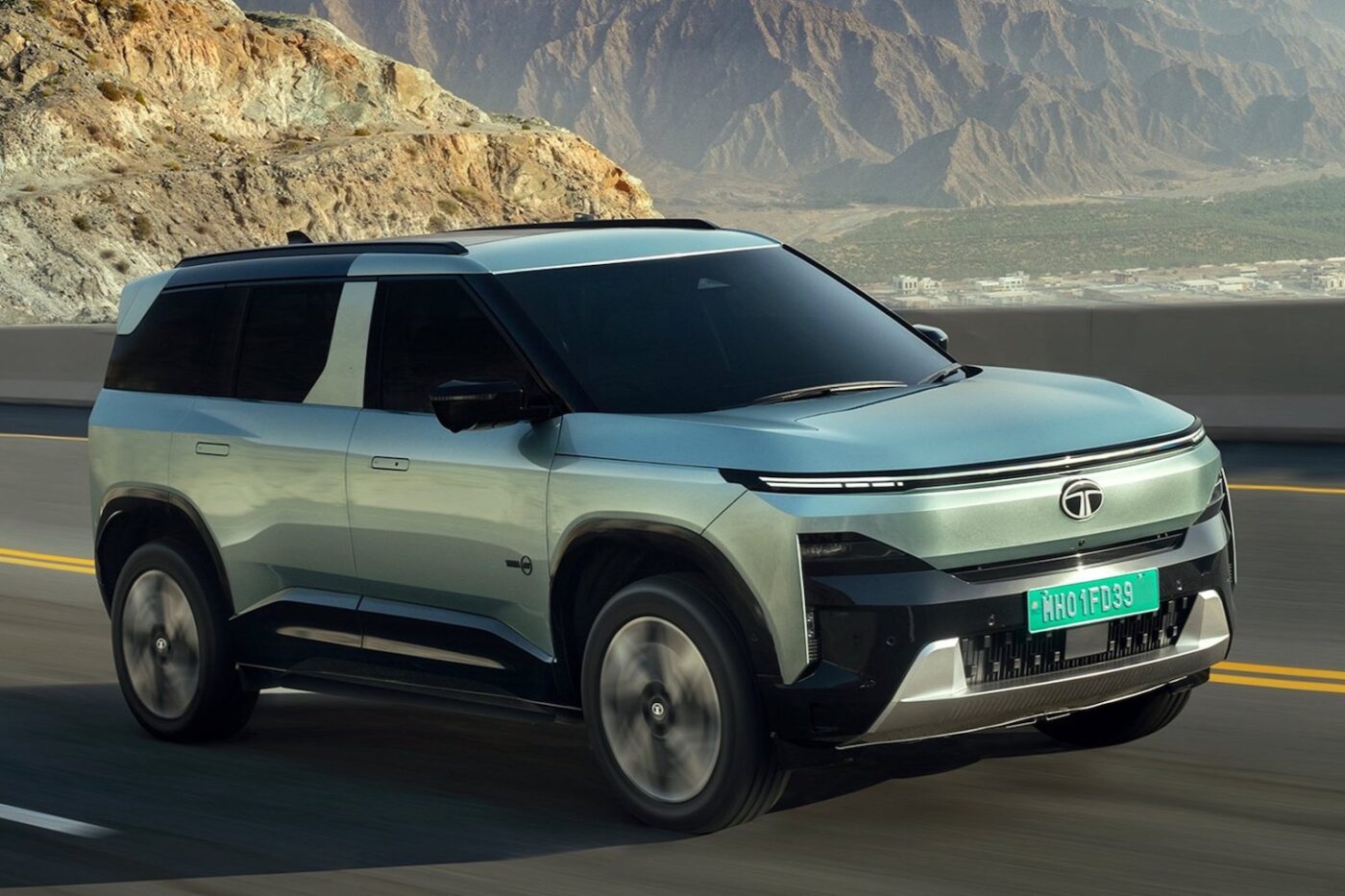
Challenging models like Hyundai’s Creta Electric and Mahindra’s BE 6, Tata Motors has priced the Sierra.ev between 1.879 million rupees (€17,389 euros) and 2.599 million rupees (€24,052 euros), excluding registration charge, insurance, and 1 per cent TCS (Tax Collected at Source). The company offers the new EV in eight different configurations, including a mix of five equipment levels and three power-electric variants.
The Sierra.ev is a sub-compact SUV measuring 4,340mm in length, 1,841mm in width, and 1,750mm in height, along with a 2,730mm wheelbase. It offers 622 litres of luggage space, and unlike its ICE donor, the Sierra, it has a frunk as well, offering up to 55 litres of additional volume.
A rear-mounted motor producing 175kW and 340Nm of torque is the default drive unit of the Sierra.ev. Tata Motors offers the option of adding a front mounted motor with 103kW and 164Nm of torque in the top-end trim for customers who want all-wheel drive capability. The dual-motor AWD setup makes the Sierra.ev the quickest model in its segment, allowing it to hit 0 to 100km/h in 5.8 seconds. It does compromise the frunk volume, though, bringing it down to 35 litres.
| Trim / Variant | Standard-Range RWD | Long-Range RWD | Long-Range AWD |
|---|---|---|---|
| Pure | ₹ 1.879 million (€17,389) | – | – |
| Pure S | ₹ 1.999 million (€18,499) | – | – |
| Adventure | ₹ 2.099 million (€19,425) | ₹ 2.219 million (€20,535) | – |
| Empowered | ₹ 2.279 million (€21,091) | ₹ 2.379 million (€22,016) | – |
| Empowered A | – | ₹ 2.479 million (€22,941) | ₹ 2.599 million (€24,052) |
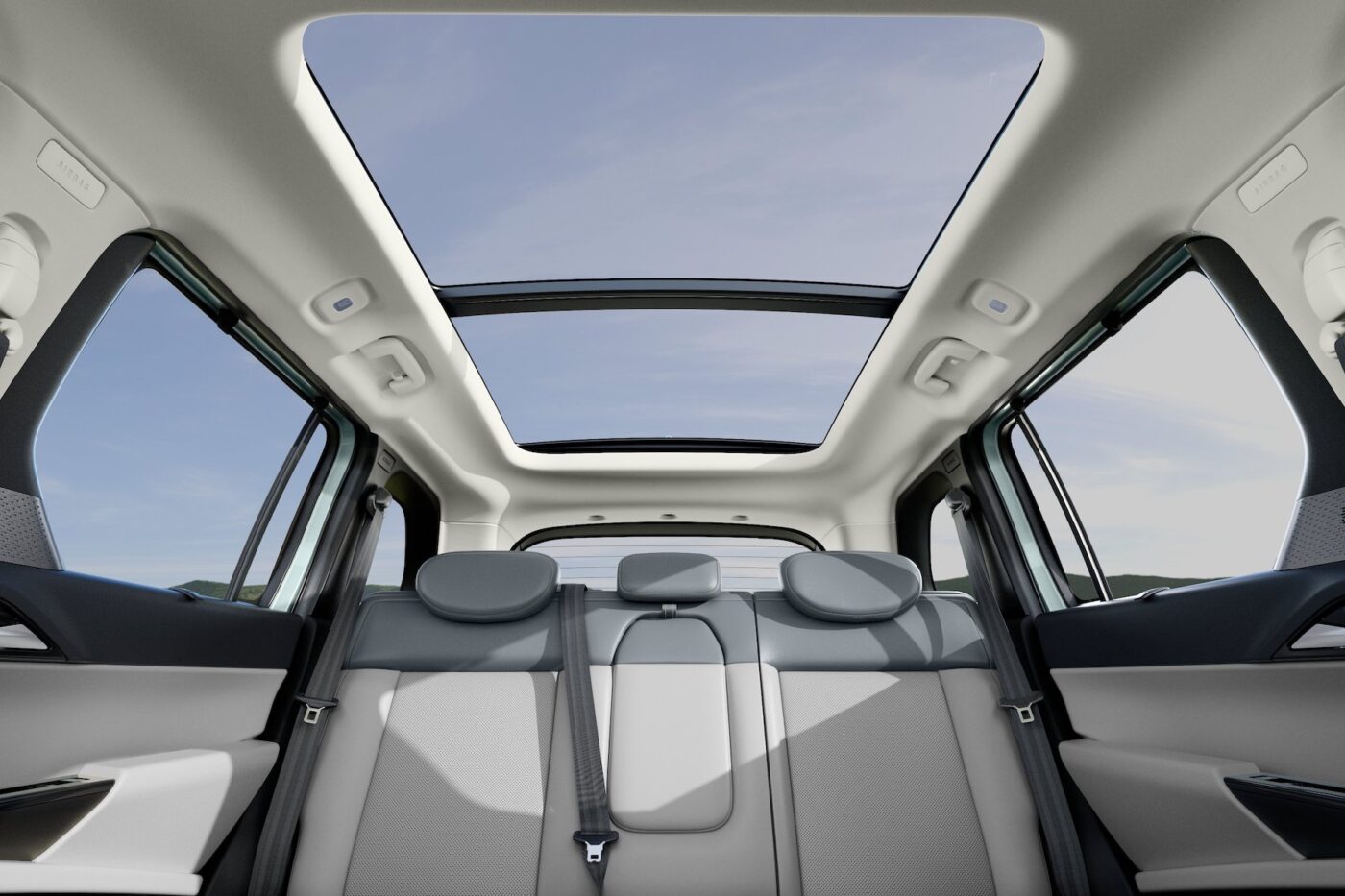
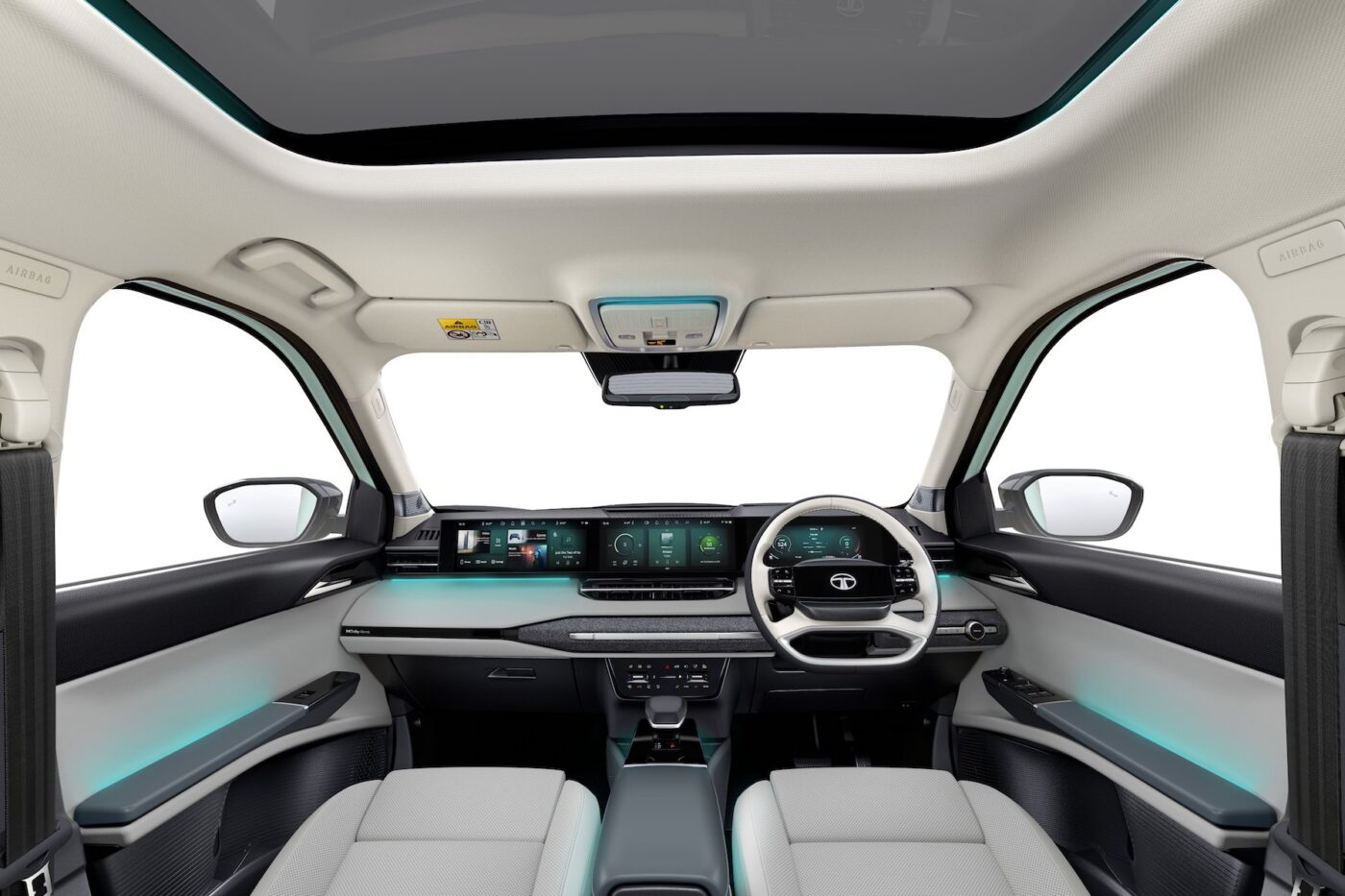
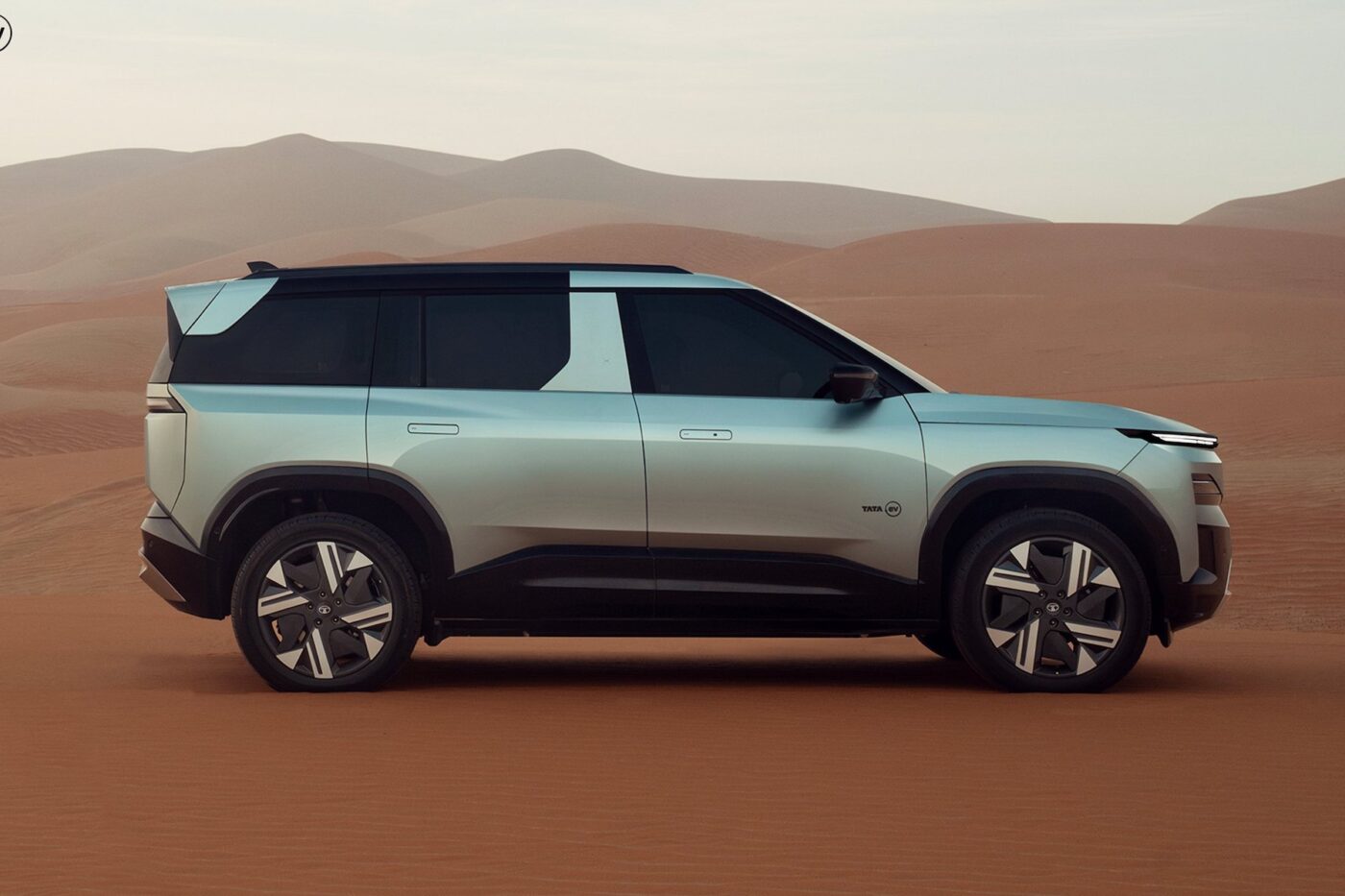
Tata Motors is marketing the Sierra.ev as a model catering to outdoorsy customers, including those with a knack for light off-road adventures. The company claims a gradeability of 34 per cent for the Standard-Range RWD variant, 33 per cent for the Long-Range RWD variant, and 52 per cent for the Long-Range AWD variant. The ground clearance, at 205mm, falls 2mm short of Mahindra’s BE 6.
Customers have two options for the battery pack as well, both module-less LFP units: 63kWh and 75kWh. Charging from 20 per cent to 80 per cent SoC takes about 25 minutes in the former and approximately 26 minutes in the latter. Both units support V2V and V2L bidirectional charging functions, with the cut-off set at 30 per cent SoC.
The Standard-Range RWD variant features the 63 kWh battery pack and can travel 565 kilometres on a single charge. The Long-Range RWD and Long-Range AWD variants share the 75 kWh battery pack and are capable of covering a distance of 665km and 624km, respectively.
Following the Sierra.ev, Tata Motors is likely to launch the Safari.ev, a three-row model targeted at larger families, towards the end of 2026. In 2027, the company will roll out the first model of its EV- only brand – Avinya.
In FY2026 (April 2025-March 2026), Tata Motors sold over 92,000 electric cars and held a market share of over 40 per cent. The company plans to expand its electric car line-up to ten models by FY2031 (April 2030-March 2031). It aims to grow its total car sales from 640,000 units in FY2026 to over 1.2 million units by FY2031 and has set a target of achieving 30 per cent EV penetration by then.

0 Comments