


Stellantis rules out alternative powertrains for small-car platform
When Stellantis announced substantial write-downs related to its battery-electric vehicle business in February, CEO Antonio Filosa emphasised the company’s commitment to maintaining a broad range of powertrain options. He described Stellantis as aiming to become a ‘beacon of freedom of choice,’ particularly ‘those customers whose lifestyles and working requirements make the Company’s growing range of hybrid and advanced internal combustion engine vehicles the right solution for them.’ In other words, while continuing to invest in electric mobility, Stellantis also signalled its intention to strengthen its portfolio of hybrid and combustion-powered vehicles.
However, Stellantis is making an exception for its future small cars aimed at the European market. Rather than following its multi-energy strategy, the group intends to focus exclusively on battery-electric models in this segment. Emanuele Cappellano, Head of Stellantis Enlarged Europe, confirmed the plans last week during the Automotive News Europe Congress in Brussels, stating that the upcoming small-car family will be offered solely with electric drivetrains.
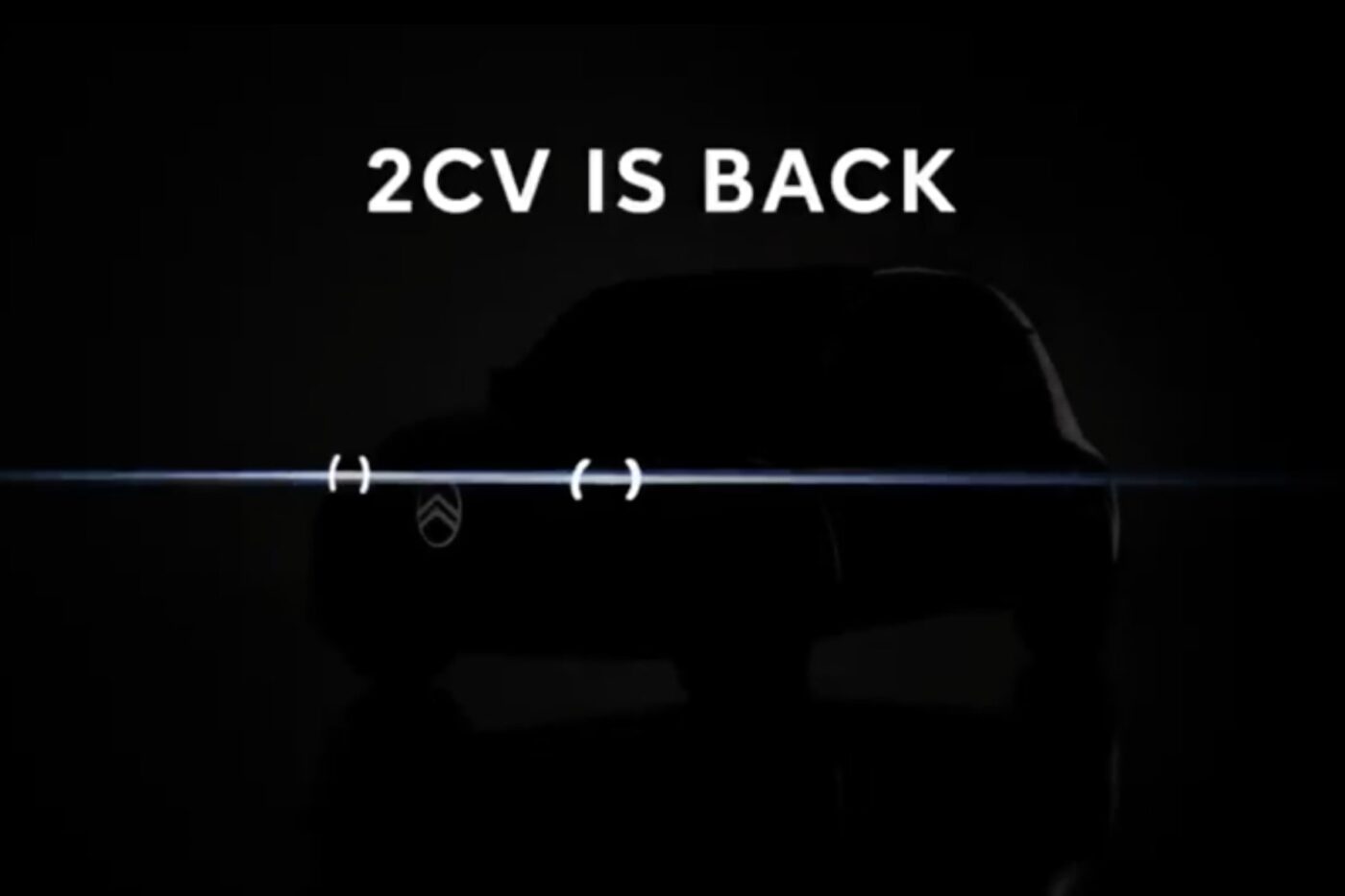
Speculation about a modern, electric reinterpretation of the Citroën 2CV has been circulating for some time. Shortly after unveiling the E-Car Project, Stellantis officially confirmed its plans for the new 2CV in May. “Just like the original once democratized mobility, the new 2 CV will re-enchant electric mobility for a new generation through a highly desirable model. The return of the 2 CV is not simply the return of a legendary name. It is the return of a bold and optimistic idea of progress. A profoundly Citroën idea,” said Citroën CEO Xavier Chardon.
Stellantis’ decision to abandon technology openness for small cars in the European market and focus solely on battery-electric powertrains is likely driven by several factors. For instance, the technology required to make a new small car with an internal combustion engine compliant with future emission regulations is simply too expensive. This is one reason why competitor VW is phasing out the ICE Polo and replacing it with the fully battery-electric ID. Polo.
Additionally, the European Commission plans to introduce a new vehicle class called M1E for small electric cars under 4.20 metres in length as part of its Automotive Package from December 2025. This class will be weighted with a factor of 1.3 as a ‘super credit’ when calculating manufacturers’ CO₂ fleet emissions. This provides carmakers with a strong incentive to bring small electric cars to market, as they can effectively offset the emissions of larger ICE vehicles.
automobilwoche.de (in German)
0 Comments