Charging That Keeps Fleets Moving: Turning Electrification Into an Advantage
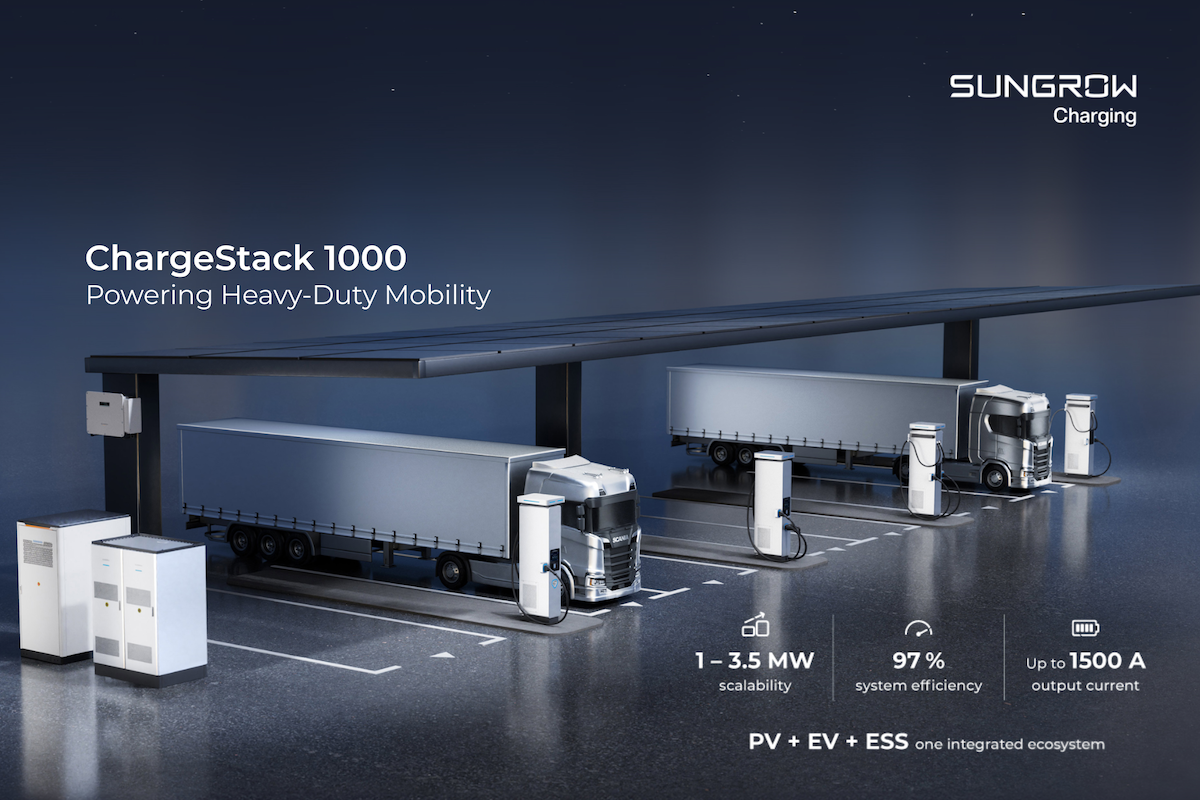
Whereas consumer EVs typically charge at 11–22kW AC or up to about 150kW DC, commercial vehicles, especially for long-distance or opportunity charging, often need several hundred kW. Such loads can lead to lengthy permitting, complex grid-connection, and site constraints.
But: Around 87% of truck journeys are regional and under 150 kilometers. Expanding charging at depots and logistics hubs could therefore deliver rapid impact.
Every Minute Counts
Commercial fleet charging must fit existing operations. Vehicles should run close to continuously, so charging windows are short and must align with rests, routes and logistics. Charging-related downtime ripples through supply chains, damages customer service, can breach contracts and cost up to eight times more than the electricity.
That calls for purpose-built, high-speed real-time coordinated systems—not simply scaled-up consumer chargers. Fortunately, there are several ways to succeed.
Technological Solutions for Efficient Electrification
Providers can respond with hybrid depot solutions pairing on-site solar with batteries that store energy off-peak and release it during charging peaks. Combined with fast DC chargers, they scale more easily, support faster electrification, cut operating costs and ease pressure on constrained grids.
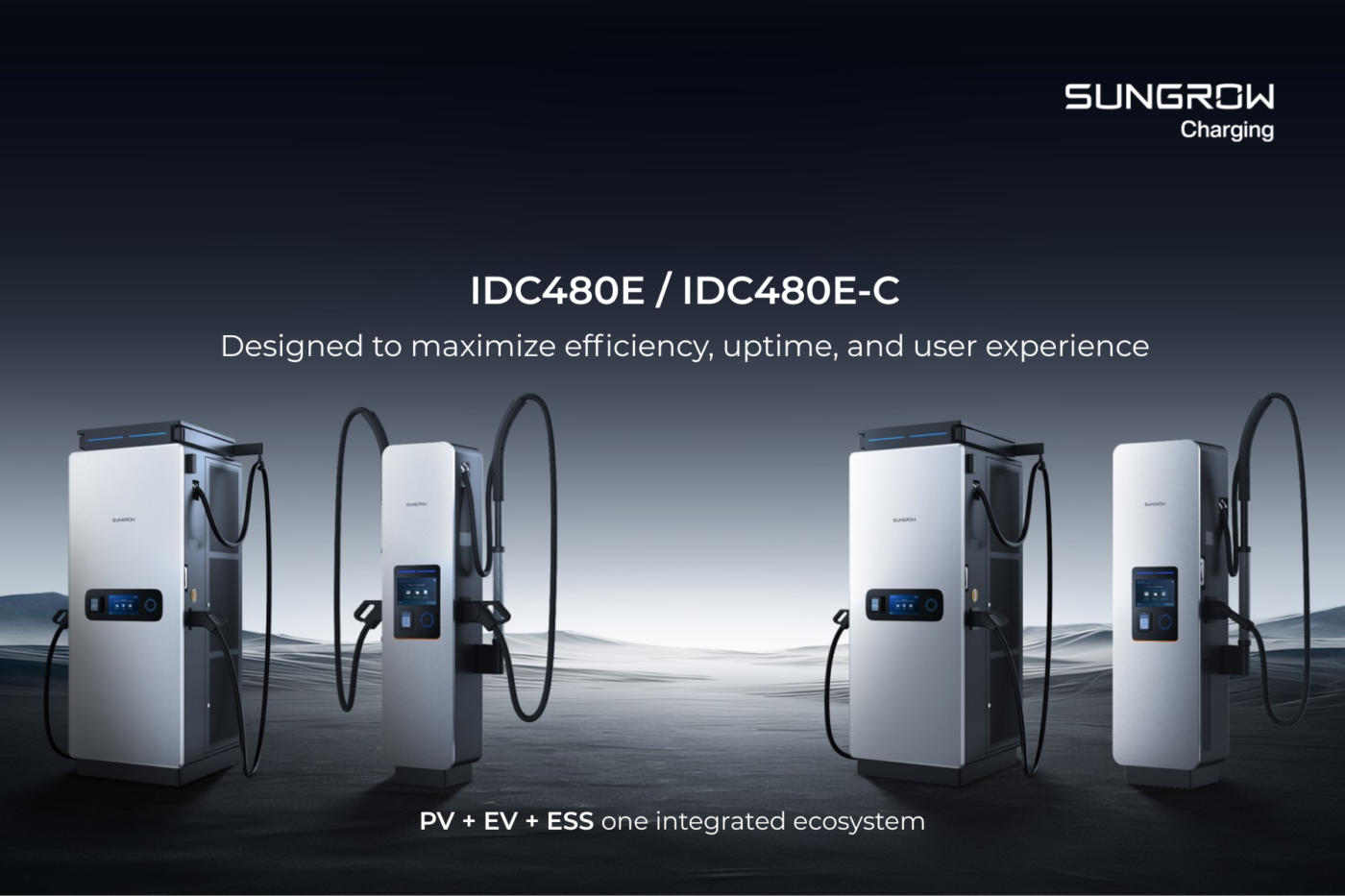
Because depot operations differ widely, close collaboration between technology providers and fleet operators is essential. Satellite charging systems like Sungrow’s IDC480E or MGW Charger CDC1000E emerged as a game-changer. They use a central power unit with up to one MW or more to intelligently supply decentralized charging points. Each satellite is positioned flexibly on-site, allowing for multi-vehicle charging based on demand. This facilitates site planning and allows fleet owners to optimize investment and running costs.
Smart Charging Through Predictive AI
In addition, smart software is needed as operations depend on absolute reliability to meet schedules and contractual obligations.
Here, AI-supported systems continuously analyze the condition of charging technology, detecting early signs of malfunctions to allow for predictive maintenance and immediately notifying technicians when problems occur. This ensures greater operational reliability, ultimately reducing downtime and maintaining stable operations.
Strategic Investment for Fleet Success
As fleet electrification accelerates, infrastructure constraints may become increasingly apparent. Fleet operators should opt for smart, high-performance systems that think ahead, are scalable, robust, economically viable, and can actively support fleet operations rather than simply providing power. Hybrid charging, centrally controlled satellite systems, and AI-powered systems can meet these requirements.
Those who invest early in well-thought charging infrastructure will lead the transition to electric fleets, delivering benefits for business performance and climate goals
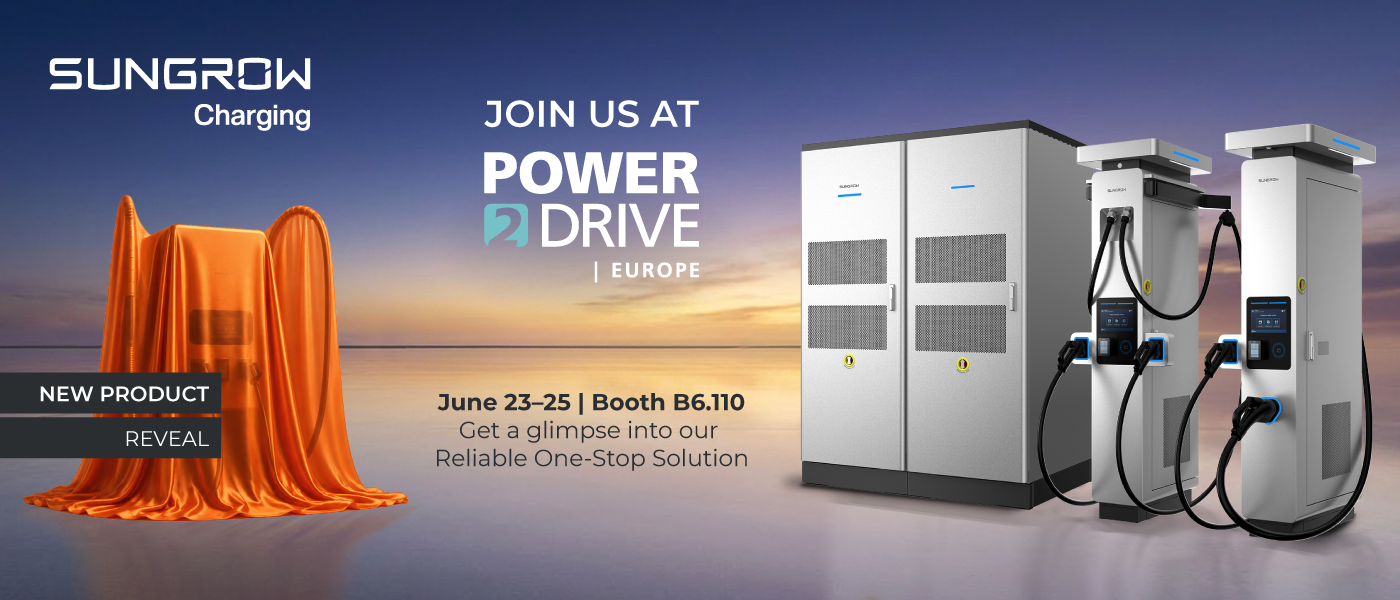
Join us at Power2Drive 2026
Discover our complete EV charging portfolio at Hall B6.110, June 23–25 and experience the future of charging technology firsthand. Most excitingly, be among the first to witness the exclusive unveiling of our brand-new IDC80E.
Interested in learning more? Contact: [email protected]
This is a sponsored article and the client is responsible for the content. This content was written by Paul Barringer, Account Manager for EV Charging UK at Sungrow. If you’d like to inquire about similar opportunities, please get in touch via [email protected].